
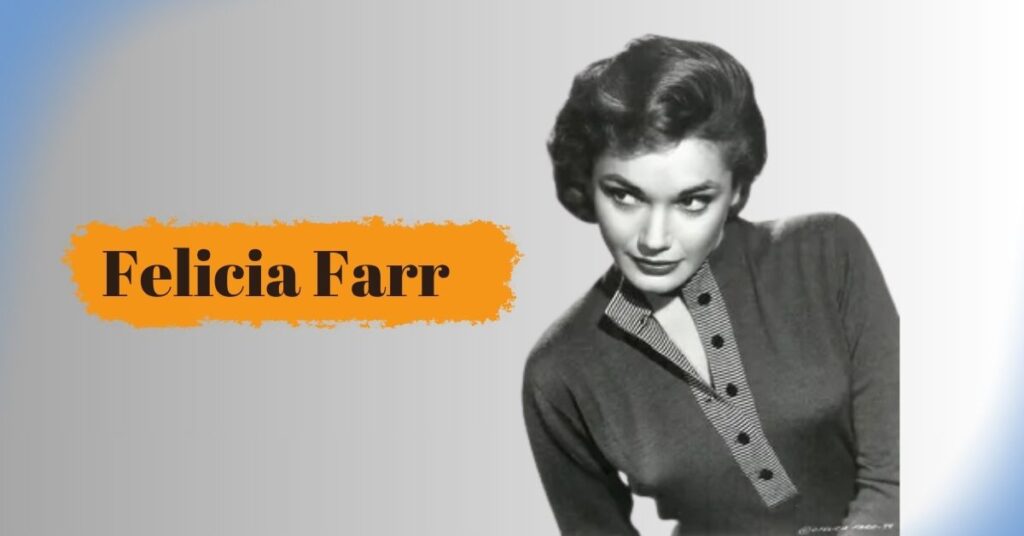
Felicia Farr is a name closely associated with classic Hollywood cinema, graceful screen presence, and a long-lasting connection to some of the most respected figures of the Golden Age of film. Best known as an American actress and former model, Felicia Farr built a career that spanned film and television during the 1950s, 1960s, and early 1970s, leaving behind a body of work that continues to attract film historians, classic cinema fans, and curious readers today.
Often remembered for her roles in Westerns, dramas, and comedies, as well as for her marriage to the legendary actor :contentReference[oaicite:0]{index=0}, Felicia Farr represents a fascinating blend of talent, elegance, and Hollywood history. This article explores her early life, acting career, notable films, television work, personal life, legacy, and what is known about Felicia Farr now, including interest around Felicia Farr net worth and even her unexpected pop-culture association with Cheesecake Felicia Farr.
Felicia Farr Bio
| Fact | Details |
|---|---|
| Full Name | Olive Dines |
| Known As | Felicia Farr |
| Date of Birth | October 4, 1932 |
| Birthplace | Westchester County, New York, USA |
| Nationality | American |
| Profession | Actress, Model |
| Years Active | 1955–1986 |
| Known For | Classic Hollywood films, Westerns, TV roles |
| Spouse | Jack Lemmon |
| Acting Credits | Approximately 39 film and TV appearances |
Early Life and Background
Felicia Farr was born Olive Dines in Westchester County, New York, in 1932. Raised during a period of significant cultural change in America, she grew up at a time when cinema was rapidly becoming one of the most powerful forms of entertainment. From an early age, she showed an interest in performance, fashion, and the arts.
Before entering films, Felicia Farr worked as a professional model, a common pathway for actresses during the Hollywood studio era. Her modelling background helped her develop poise, confidence, and camera awareness—skills that later translated seamlessly onto the silver screen.
Her early life was largely private, and unlike many Hollywood figures of her time, she maintained a relatively low-profile upbringing. This grounded beginning would later shape her reputation as a composed and thoughtful performer rather than a publicity-driven celebrity.
Entry Into Hollywood and First Roles
Felicia Farr entered the Hollywood film industry in the mid-1950s, signing with major studios during a highly competitive period. Hollywood at the time was dominated by long-term contracts, strict studio control, and intense competition among emerging actresses.
Her earliest film roles were often supporting parts, allowing her to gain experience alongside established actors. These initial appearances may not have made her an overnight star, but they positioned her as a dependable and versatile performer.
Unlike many of her peers, Farr did not rely solely on glamour. Instead, she demonstrated a natural acting style, which made her particularly well-suited for dramatic roles and character-driven stories. This subtlety helped her stand out in an era dominated by larger-than-life screen personalities.
Rise to Fame in the 1950s and 1960s
The late 1950s and early 1960s marked Felicia Farr’s most productive years in Hollywood. During this period, she appeared in a range of films that showcased her adaptability across genres.
She gained recognition for her work in Westerns, a dominant genre of the era, as well as dramas and romantic films. These roles allowed her to work with respected directors and leading men, further strengthening her professional credibility.
What set Felicia Farr apart was her ability to bring emotional restraint and realism to her performances. Rather than exaggerated expressions, she conveyed depth through subtle gestures and dialogue delivery, earning appreciation from critics and audiences alike.
Notable Films and Performances
Felicia Farr’s filmography reflects the diversity of classic Hollywood storytelling. While she was rarely cast as the sole lead, her supporting roles were often memorable and essential to the narrative.
Some of her most notable films include:
| Film Title | Year | Significance |
|---|---|---|
| Jubal | 1956 | Western classic showcasing her dramatic range |
| 3:10 to Yuma | 1957 | Iconic Western with lasting cultural impact |
| The Last Wagon | 1956 | Strong ensemble Western performance |
| Kiss Me, Stupid | 1964 | Comedy-drama directed by Billy Wilder |
| Charley Varrick | 1973 | Crime drama reflecting her mature screen presence |
| Kotch | 1971 | Comedy-drama highlighting her versatility |
| The Venetian Affair | 1967 | Political thriller with international themes |
These films remain frequently cited when discussing Felicia Farr movies and her contribution to classic cinema. Her ability to elevate supporting roles made her a respected figure among peers and filmmakers.
Television Career and Guest Appearances
As the film industry evolved, Felicia Farr transitioned into television, a move that extended her career and broadened her audience. Television in the 1960s and 1970s offered actors new creative opportunities and consistent work.
She appeared in popular TV series such as Alfred Hitchcock Presents and Ben Casey, where her performances demonstrated the same professionalism and subtlety seen in her film work.
This shift from film to television reflects a broader industry trend and highlights Farr’s adaptability. Her television appearances contributed significantly to her total acting credits, reinforcing her reputation as a reliable and skilled performer.
Acting Style and Screen Presence
Felicia Farr’s acting style was defined by elegance, restraint, and emotional authenticity. She often portrayed intelligent, composed women rather than exaggerated stereotypes.
Critics and film historians frequently note her ability to:
- Convey emotion without excessive dialogue
- Maintain strong on-screen chemistry with co-stars
- Adapt seamlessly to different genres
Her performances embodied the professionalism expected of Hollywood’s Golden Age while avoiding the artificiality that sometimes characterized studio-era acting.
Personal Life and Relationships
Felicia Farr’s personal life attracted public interest, particularly following her marriage to Jack Lemmon in 1962. Their relationship was widely admired for its stability and longevity, standing out in an industry often marked by brief and turbulent marriages.
Together, they shared a private family life away from constant media attention. Farr largely stepped back from the spotlight after marriage, choosing to prioritize family over fame.
This decision contributed to her reputation as a grounded individual who valued personal fulfillment over celebrity status.
Later Career and Retirement
By the late 1970s and early 1980s, Felicia Farr gradually reduced her acting commitments. Her final on-screen appearances reflected a natural transition rather than a sudden departure.
She officially retired from acting after That’s Life! in 1986, marking the end of a career that spanned more than three decades. Unlike many former actresses, Farr did not pursue public reinvention, choosing instead a quiet post-Hollywood life.
Legacy and Cultural Impact
Felicia Farr’s legacy lies not in blockbuster fame but in consistency, quality, and professionalism. She represents a generation of actresses whose work supported Hollywood’s golden era and helped shape American film history.
Her films continue to be studied by cinema scholars, and her performances remain accessible through restored classics and streaming platforms. As interest in classic Hollywood grows, so does appreciation for actors like Farr who contributed meaningfully without excessive publicity.
Felicia Farr Filmography Overview
Felicia Farr accumulated approximately 39 acting credits, spanning film and television. Her work is frequently referenced in discussions of Western cinema, studio-era filmmaking, and transitional television roles.
This breadth of work supports ongoing curiosity about Felicia Farr net worth, though no verified public figures exist. Estimates typically consider her acting career, modelling work, and shared assets during her marriage.
READ MORE >>> Matt Harnacke: Equestrian Rider, Influencer & Model
Felicia Farr Now
Interest in Felicia Farr now reflects modern curiosity about classic Hollywood figures. While she has remained largely private in later years, her influence endures through her films and legacy.
Occasionally, her name appears in unexpected contexts, such as online references to Cheesecake Felicia Farr, often tied to nostalgic pop-culture discussions rather than factual biography. These mentions highlight how her name continues to circulate in cultural memory, even decades after retirement.
Frequently Asked Questions About Felicia Farr
Who was Felicia Farr?
Felicia Farr was an American actress and former model known for her work in classic Hollywood films and television.
What movies is Felicia Farr known for?
She is best known for Jubal, 3:10 to Yuma, Kiss Me, Stupid, and Charley Varrick.
When was Felicia Farr born?
She was born on October 4, 1932, in Westchester County, New York.
Was Felicia Farr married?
Yes, she was married to actor Jack Lemmon from 1962 until his death.
What is Felicia Farr’s legacy?
Her legacy is defined by consistent performances, genre versatility, and lasting contributions to classic cinema.
Conclusion
Felicia Farr remains a respected figure in Hollywood history, admired for her talent, discretion, and professionalism. While she never sought superstardom, her body of work speaks for itself, offering insight into an era when storytelling, character, and craft mattered deeply.
For audiences exploring classic cinema today, Felicia Farr’s career provides a compelling reminder that enduring influence often comes from quality, not quantity.